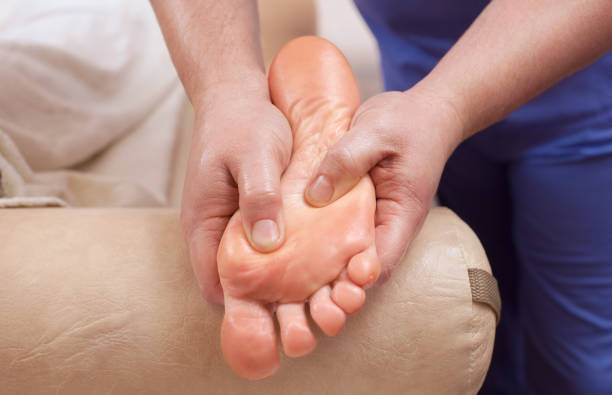

Pain may appear in only one heel, yet both feet influence how the body stands, walks, and absorbs impact. A difference in strength, flexibility, arch shape, or weight distribution on either side can affect the injured foot’s recovery. Examining the full pair gives an Athens podiatrist a clearer picture of the mechanical pattern behind plantar fasciitis and other recurring problems.
Establishing a Healthy Baseline Using the Unaffected Foot
Comparing the painful foot with the opposite side gives the examiner a personal reference point. Arch height, ankle motion, toe flexibility, skin temperature, sensation, and muscle strength naturally differ from one person to another, so a general “normal” measurement may not tell the whole story.
Side-to-side findings can show whether swelling, stiffness, weakness, or tissue thickening is truly unusual for that patient. Ultrasound measurements may also become more useful when the plantar fascia on the sore foot is compared with the same structure on the other side. A plantar fasciitis doctor can then judge whether an abnormal finding matches the symptoms rather than relying on imaging alone.
Spotting Compensatory Strain on the Non-injured Side
Favoring a painful foot often shifts extra weight onto the opposite limb. That protective habit may begin without conscious thought, especially during stairs, long work shifts, or the first painful steps after rest. Continued compensation can overload the heel, arch, ankle, knee, or hip that originally felt normal.
Uneven walking may also shorten one stride and change how the body pushes off. Over time, the non-injured foot can develop soreness because it absorbs more force than usual. A podiatrist in Athens AL watches for these changes before a second problem becomes established.
Uncovering Silent Structural Flaws Before Pain Begins
Structural differences do not always cause immediate discomfort. Flat arches, rigid high arches, inward heel tilt, limited ankle flexibility, or reduced big-toe motion may remain painless until work demands, exercise, weight changes, or footwear increase the load.
Early examination of both sides can reveal shared weaknesses or a more severe issue in the foot that has not started hurting. Identifying those patterns allows treatment to address the source of strain instead of waiting for symptoms to develop. This broader view is especially useful when plantar fasciitis has returned after earlier improvement.
Evaluating Weight Distribution and Gait Symmetry
Walking analysis shows whether the patient lands, rolls forward, and pushes off evenly. Pressure mapping or visual gait assessment may reveal that one heel receives a harder impact while the other foot stays on the ground longer.
During the exam, the Athens podiatrist may look for:
- Different stride lengths between the right and left sides
- Early heel lift caused by calf or Achilles tightness
- Excessive inward rolling through one or both arches
- Unequal push-off strength beneath the big toes
- Pelvic drop or knee collapse linked to poor foot control
These details help explain why pain persists even after rest or shoe changes. Balanced movement matters because repeated asymmetry can keep irritating the plantar fascia during thousands of daily steps.
Designing Balanced Orthotics to Realign Both Limbs
Custom orthotics should support the way both feet function together. Prescribing an insert for only the painful side without studying the opposite foot may create an unwanted height difference or shift pressure into another joint.
Accurate fitting considers arch shape, heel position, flexibility, leg length, footwear, and gait mechanics on each side. One orthotic may need different posting, cushioning, or correction than the other while still keeping the body level. A plantar fasciitis specialist uses those distinctions to improve control without forcing both feet into identical positions.
Preventing Secondary Joint Overload in the Opposite Leg
Foot pain can change movement all the way up the lower body. Reduced weight on one heel may increase impact through the other ankle, while altered stride timing can place extra stress on the knee and hip.
Persistent imbalance sometimes produces back discomfort because the pelvis rotates or drops with each step. Restoring a more even walking pattern helps reduce strain beyond the original injury. Treatment may include mobility work, strengthening, footwear changes, orthotics, or temporary activity adjustments based on the findings from both limbs.
Catching Bilateral Mechanical Issues Early on
Conditions such as plantar fasciitis may start on one side even when the underlying risk factors affect both feet. Tight calves, limited dorsiflexion, weak arch muscles, poor footwear, and prolonged standing can expose each plantar fascia to similar stress, though one side may become painful first.
Recognizing bilateral problems early gives patients a chance to protect the quieter foot while treating the symptomatic one. Preventive exercises and shoe recommendations can then address shared mechanical concerns before they lead to another episode. The Foot Clinic evaluates both feet through hands-on testing, gait observation, mobility checks, footwear review, and imaging when appropriate, helping patients understand how each side contributes to pain, compensation, and long-term recovery.