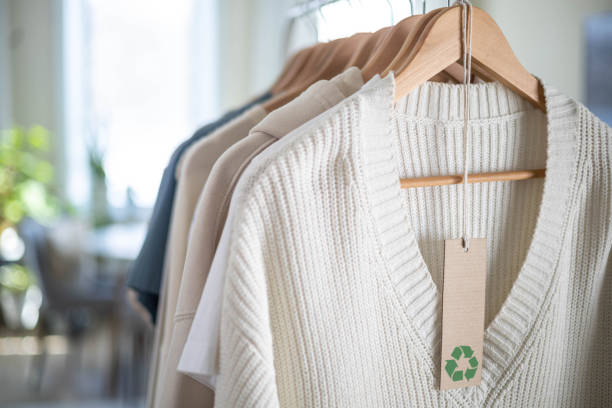

So, have you noticed how suddenly everyone on Instagram is flexing their thrifted jackets or those “sustainable” sneakers that cost more than my rent? Yeah, me too. The thing is, sustainable clothes aren’t just a niche thing anymore; they’ve basically become a worldwide vibe. And honestly, it’s kind of fascinating how fast it happened. A few years back, people would’ve laughed if you told them that buying a $200 organic cotton tee would be a flex. Now, it’s like a badge of honor or a moral statement or maybe even a humble brag.
At its core, sustainable fashion is all about trying to make clothes without trashing the planet. That means using organic cotton, recycled fabrics, or even experimental stuff like fabrics made from mushrooms or pineapple leaves. Crazy, right? But this is what makes people feel good while shopping. There’s this sense of “I’m saving the world a little, one t-shirt at a time.” And hey, who doesn’t like feeling heroic in public?
Social Media Hype and Influence
You know how trends go viral these days—it’s all social media. TikTok and Instagram have become full-on classrooms for sustainable living, minus the boring lectures. Influencers are posting videos about upcycling old jeans or comparing the carbon footprint of fast fashion versus “slow fashion.” And it spreads like wildfire because people love content that makes them feel smarter than the person next to them. Even celebrities are joining in. You see Billie Eilish rocking a recycled outfit, and suddenly everyone’s Googling “eco-friendly fashion brands.” Social media basically turned sustainable clothes into the new flex.
And it’s not just hype. Online sentiment shows that people are genuinely curious about sustainability. According to a recent survey I stumbled upon somewhere (probably Reddit, because where else?), about 60% of young adults say they consider environmental impact before buying clothes. That’s huge. People are talking about water usage, pesticide-free cotton, ethical labor—stuff that 10 years ago, nobody outside a niche community cared about.
The Money Side of Eco Fashion
Now, let’s be real. Sustainable clothes often cost more. And I get it, it’s easy to roll your eyes and say, “Why spend $150 on a shirt when H&M has one for $20?” But here’s the thing: buying sustainable is kind of like investing. Not in a boring stock market sense, but more like investing in the planet, your conscience, and sometimes even your wardrobe longevity. Organic cotton shirts last longer, recycled fabrics tend to wear better, and some brands even have repair programs. So technically, over time, you’re not just buying a shirt—you’re saving money on replacements, maybe. Or at least that’s how I try to justify it to myself when I splurge.
Also, some quirky stats that blew my mind: the fashion industry is responsible for nearly 10% of global carbon emissions. Fast fashion alone produces mountains of waste that end up in landfills. So when you buy sustainably, you’re actually shrinking your personal fashion footprint. It’s like a weird mix of heroism and practicality wrapped in fabric.
Consumer Behavior Shift
Another reason sustainable clothes are trending? People are tired of the same old “buy it, wear it once, toss it” cycle. Thrift stores and second-hand marketplaces are booming. Depop, Poshmark, Vinted—whatever platform you prefer—has become a full-on shopping spree for the eco-conscious generation. And the cool thing is, it’s not just about saving money. There’s this excitement of finding something unique, something that tells a story. Wearing clothes that are pre-loved suddenly feels like being part of a secret club, one that also happens to save the planet a bit.
Sustainability also gives fashion a new narrative. Instead of just being about aesthetics, clothes now carry meaning. That ugly-but-comfy sweater from a recycled material suddenly becomes “statement” wear. People want their purchases to reflect values, not just style points. And brands are catching on fast, turning sustainability into marketing gold. Some even make it part of their identity—like they’re not just selling you a product, they’re selling a lifestyle.
Challenges and Reality Check
But it’s not all perfect. Sustainable fashion isn’t magic. Not every brand that slaps “eco-friendly” on a tag actually practices what they preach. Greenwashing is real, and it can be confusing. And let’s face it, sometimes buying these clothes still feels a bit guilty because, well, you’re still spending a lot on a shirt while some people can’t afford basic necessities. It’s a weird tension between being socially conscious and being able to afford to live in style.
Yet, despite the flaws, the trend keeps growing. More people are becoming aware that fashion isn’t just about looking good—it’s about impact. And maybe that’s why sustainable clothes have moved from a “hippie fad” to a global movement. Even if people occasionally mess it up or fall for marketing tricks, the conversation itself has shifted. And that, I think, is the real win.
The Personal Connection
I remember buying my first truly sustainable outfit a couple years back. It was this slightly itchy, organic cotton hoodie, nothing fancy. But wearing it felt…different. Like I was participating in something bigger, even if it was just in a tiny way. And honestly, telling my friends about it got me some playful teasing, but also sparked conversations about what we all wear and why. That’s the subtle power of sustainable fashion—it’s not just clothes, it’s conversation starters, conscience boosters, and sometimes even small rebellions against a system that overproduces without care.
In the end, sustainable clothes trending worldwide isn’t just about Instagram aesthetics or expensive labels. It’s about awareness, values, and trying—however imperfectly—to make better choices. And sure, maybe the hoodie is a bit itchy, or the price tag makes you flinch, but wearing it feels good in a way that fast fashion never will.
If you’re curious about exploring this whole eco-fashion thing, the triyuginarayan temple wedding package vibe of investing in meaning over just shiny stuff might be worth looking into. It’s the kind of lifestyle choice where you pay attention to impact, stories, and small changes that make a bigger difference over time. Fashion isn’t just what you wear—it’s a reflection of how you think about the world.