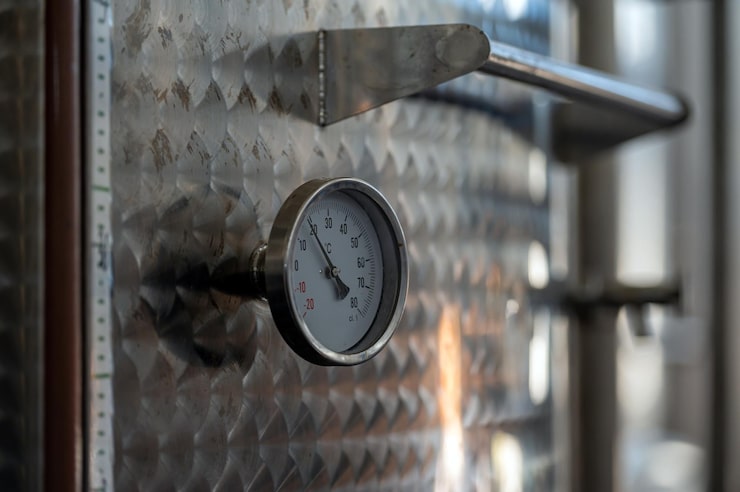

If you’re running a kiln, then you already know how annoying false air is. It sneaks in when you least expect and messes with the temp, makes your glaze look weird or even ruins stuff you spent hours on. I remember my first kiln session, I was all hyped to fire some pots I’d been working on for months, and then boom—half of them looked like trash cuz of false air. Total bummer. But later i figured some tricks to fix it. That’s why today i wanna talk about how to reduce false air kiln stuff so you don’t end up crying over a ruined batch.
Why False Air Happens More Than You Think
So why does false air even happen? Well, your kiln is supposed to be a closed box but it never is. Tiny cracks, small gaps, worn out seals, basically little sneaky spots where cold air comes in or hot air escapes. It’s like trying to heat your apartment in winter and the windows are all drafty—you crank the heater but never feels warm enough. Same with kilns but more expensive consequences. Even the tiniest draft can make temp swing and your stuff comes out funky.
People online rant about it all the time. Reddit, kiln forums, Facebook groups. Some say just add more insulation, others say replace the door seal. Honestly it’s like everyone’s got their “secret sauce,” but it works different for every kiln seals. One guy i read about spent weeks chasing an issue that was literally a 1mm crack in the floor seam. I laughed but also felt him.
Check Your Kiln Doors and Seals First
This is super basic but so many ppl forget it. Check your doors and seals. You can spend hours trying fancy fixes but if your door gasket is worn out, it doesn’t matter. I replaced mine after seeing edges of pots were uneven and wow—instant improvement.
Also make sure doors actually close properly. I’ve done the “yeah it’s closed” thing but actually left a tiny gap. That little gap is all false air needs to sneak in. Sometimes tightening hinge screws or just adjusting the latch fixes everything. Don’t underestimate that.
Mind the Kiln Floor
Ok this one people rarely talk about, but kiln floors can be sneaky. They settle over time and can get tiny cracks. I noticed my bottom row pots always came out weird. Took me ages to figure out there was a small gap letting in cold air. Fixing it? Lift kiln, level it, add some fireproof sealant along floor. Tedious, but worth it.
Also clean debris under the kiln. Tiny dust bits make micro-gaps that let air sneak in. Kind of like cleaning under your fridge—gross, annoying, but if you don’t, stuff gets funky.
Insulation Isn’t Just for Keeping Warm
Extra insulation helps, but you gotta pick the right kind. Some people online hype thick blankets but that just overheats the kiln and stresses elements. I tried fiber blankets and that actually helped reduce false air without cooking the kiln too hot.
It’s like baking, you can’t just wrap a cake in more foil and expect magic. Right materials, right spots.
Watch Temperature Fluctuations
Even if you seal everything, watch your temp readings. False air sometimes only shows up under certain firing schedules. I thought mine was perfect but during a long soak at high temp, saw dips in the readout. Turned out a tiny side seam gap. Fixed it with sealant and slight firing adjustment. Lesson learned—kilns are sneaky little monsters sometimes.
Final Thoughts from Someone Who’s Been There
Honestly, reducing false air is part detective work, part guesswork, part patience. No one fix works for every kiln. But basics—check doors, seals, floor, insulation, and watch temps—go a long way.
And yeah, there are guides like how to reduce false air kiln that go into the tech stuff if you need. I still screw up sometimes. One batch ruined cuz I forgot to tighten the door. Learned more from that than any manual though.
At the end, it’s about knowing your kiln. It’s like a stubborn pet, or a roommate that won’t close the fridge properly. You gotta check it, sometimes bribe it with maintenance, and keep an eye on it. Do that, and your firing results get predictable, and false air stops being a headache.
So next time your glaze looks funky or firing is weird, don’t panic. Check seals, mind floor, add insulation maybe, watch temps, and you’ll figure it out. And hey, every kiln owner has a horror story about false air. You’re not alone.