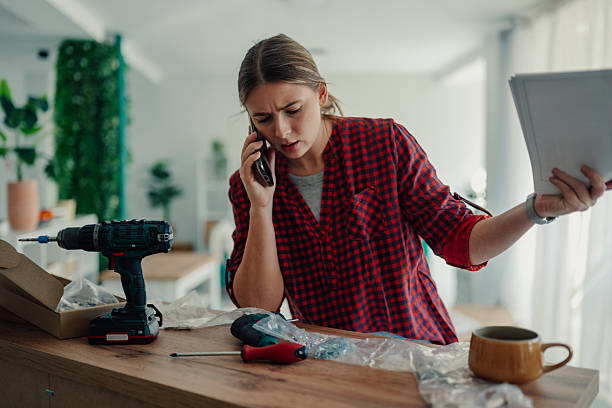

So, you’re scrolling through Instagram or TikTok, see some DIY project — maybe a cute little shelf or a homemade candle — and it looks so doable. The video is 3 minutes long, the person makes it look effortless, and you think, yeah, I can totally do that. Fast forward two hours later, you’ve got glue all over your hands, half the materials are sticking together wrong, and the shelf looks like it survived a small earthquake. Why does this happen? Even with tutorials that claim “Step-by-step, anyone can do it,” things can go hilariously wrong.
Tutorials Aren’t Reality, They’re Highlight Reels
Here’s the deal — most tutorials online are curated. They cut out all the messy parts. That glue spill, that moment where they swear under their breath, that shelf that collapsed mid-filming? Gone. You’re basically watching the highlight reel of someone’s DIY attempt. It’s like watching a cooking show and thinking you can recreate a soufflé perfectly, but they never show you the three dozen times it deflated before the perfect shot. A lot of people forget that. And social media doesn’t help — it’s full of influencers acting like building a bookshelf is easier than boiling water.
Skill Levels Vary, and That’s Okay
Another thing — tutorials usually assume a baseline skill level. They throw in phrases like “just sand it lightly” or “measure carefully” and act like everyone knows exactly how that feels. But if you’ve never held a sanding block before, “lightly” can turn into a full-on abrasion session. Measuring carefully can become a guessing game, especially if your ruler is stuck in a drawer somewhere under a pile of receipts. Honestly, even seasoned DIYers mess up sometimes. I once watched a “simple” tutorial on hanging floating shelves, and somehow ended up with three shelves crooked enough to make a modern art gallery blush.
Material Mismatch Is a Silent Saboteur
Materials matter. Big time. Online tutorials often use fancy supplies that are hard to get unless you live in a major city or have an Etsy addiction. If your wood is cheaper, your glue is from the bargain bin, or the paint dries differently because it’s slightly older, your project can turn into a sticky, saggy mess. A lot of people underestimate this — me included. I tried making a resin coaster once using the “same” resin a YouTuber recommended, but mine cured all funky because my apartment is 30% more humid than theirs. End result: a coaster that looks like a lava lamp exploded.
Patience Is Underrated
Tutorials also make everything look quick. “Step 1: Mix, Step 2: Pour, Step 3: Done.” In reality, some steps take ages, and skipping them can be catastrophic. Rushing through is basically the fastest way to fail. And let’s be real, waiting is boring. Watching glue dry or paint cure isn’t exactly TikTok-worthy content, so no one shows it. But if you skip drying times or skip layers, your masterpiece might just peel, sag, or snap like a twig in the wind.
Online Advice Can Be Contradictory
If you check the comments, you’ll notice something hilarious — for almost every tutorial, there’s someone saying, “Yeah, this doesn’t work at all, try X instead.” Then another person is like, “No, this is perfect, don’t change anything.” And then someone else shares a 500-word essay on why the tutorial ruined their life. With conflicting advice, it’s easy to second-guess every move. Trusting your instincts sometimes is better than drowning in too many “tips” and ending up frozen in indecision.
Expectation vs. Reality
Part of the problem is the expectation trap. We see polished images and perfect outcomes and assume we should match them. But DIY is messy, weird, and sometimes unpredictable. A Pinterest-perfect candle might look like it belongs in a sci-fi movie when you’re done. And that’s fine! A lot of people don’t share their imperfect attempts, but they exist. I’ve got a shelf in my living room that leans slightly to the left, and honestly, it adds character. The internet didn’t warn me about that “character” part.
Tips for Actually Getting It Right
Despite all this, failing doesn’t mean you’re hopeless. Try smaller projects first, don’t compare your first attempt to someone else’s tenth, and don’t be afraid to mess up. Often, the mistakes are what teach you the most. Some of the best hacks I’ve learned weren’t from tutorials — they were from disaster. Like realizing that clamps are life-saving or that some adhesives need exactly 24 hours, not 23.
Also, embrace the chaos. My experience? Projects always feel harder than they look online. Accepting that can make DIY less frustrating and more fun. And if all else fails, post your messy results online — you’ll probably get a ton of supportive comments. People love relatable fails more than perfect ones.
So yeah, DIY tutorials are helpful, but they aren’t magic. They skip steps, assume skill, and rely on ideal conditions. When your shelf tilts or your candle bubbles weirdly, it’s not a failure — it’s just part of the process. And honestly, half the fun is in laughing at yourself while figuring it out.