
A breaker that keeps tripping. An outlet that stopped working after a thunderstorm. A light switch that buzzes faintly when it is on. A bathroom GFCI that trips every time the hair dryer runs. These are the electrical problems that homeowners in Southaven deal with regularly — small enough to ignore for a few days, significant enough to be genuinely annoying, and occasionally serious enough to be quietly dangerous.
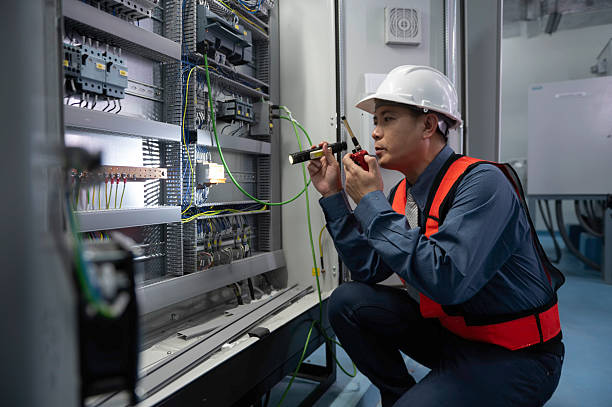
That last part is what most homeowners underestimate. Electrical problems that seem minor on the surface often point to underlying issues that deserve attention from a qualified home electrical repair service. A breaker that trips repeatedly is not just inconvenient — it may indicate a circuit that is consistently overloaded, a failing breaker that is no longer protecting the circuit correctly, or a wiring fault that creates a fire risk. Identifying which of those it is requires diagnostic skill, not a YouTube video.
The Electrical Problems That Homeowners Most Frequently Face
Dead outlets are one of the most common residential electrical calls, and they have several possible causes that require different repairs. A dead outlet on a GFCI-protected circuit may simply need the GFCI reset — sometimes the GFCI that controls the dead outlet is in a different room and the homeowner does not know to look for it there. A dead outlet caused by a loose wire connection in the outlet itself or further back in the circuit requires opening the outlet and tracing the problem. A dead outlet caused by a tripped breaker is easy to reset but warrants investigation if it trips again.
Flickering lights are another common complaint that ranges from trivial to serious. A single fixture that flickers may have a loose bulb or a failing socket — simple fixes. Lights that flicker throughout the house, or that dim momentarily when a large appliance like the air conditioner kicks on, point to voltage fluctuations that may indicate a problem with the main service entrance connections. That is not a DIY repair.
Aluminum wiring, which was used in residential construction during the late 1960s and 1970s, is a specific electrical hazard that some Southaven homes still contain. Aluminum expands and contracts differently than copper, which can cause loose connections at outlets and switches over time. Those loose connections generate heat and create fire risk. An electrician who identifies aluminum wiring in a home should address the connection points with approved methods — a repair that is invisible but genuinely important.
When to Call and When to Wait
Some electrical issues warrant an immediate call regardless of time or day. Burning smell from an outlet or panel. Visible scorch marks or discoloration around an outlet or switch. Sparks when plugging something in. Any situation where a breaker trips and the circuit will not reset, or where a reset results in sparking or a burning smell. These are safety events, not inconveniences, and treating them as anything less is how electrical fires start.
Other issues can wait for a scheduled service call. A single dead outlet that is not in a critical location. An outdoor light that has stopped working. A ceiling fan that makes noise. These are real problems worth fixing, but they do not require an emergency response. Knowing the difference protects both safety and budget.
Outlets, Switches, and Panel Work Homeowners Should Not DIY
Mississippi does allow homeowners to do certain electrical work on their own property, but the work that involves panels, service connections, or anything related to the main electrical supply should always be handled by a licensed electrician. The risk of electrocution from working in or near a live panel is real and immediate, and even work that appears simple can involve hazards that an untrained person would not recognize. Southaven Electrical Service provides home electrical repair service that is fast, properly diagnosed, and done safely by licensed professionals — because electrical work done wrong is not just a code problem, it is a home safety problem that can stay hidden for years before it becomes a crisis.