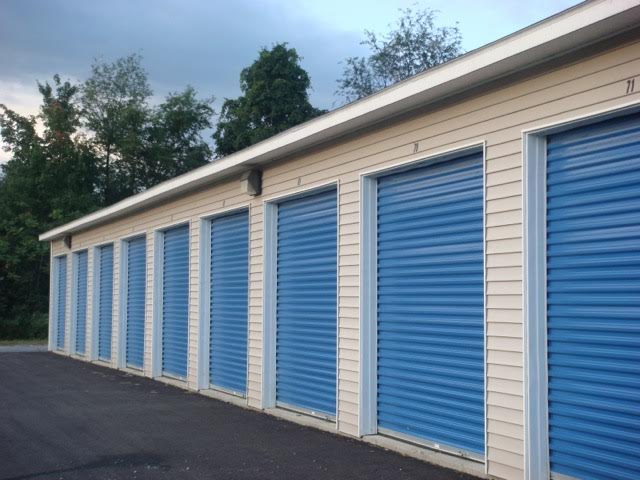

Owning an RV creates opportunities for unforgettable travel, but proper care between adventures has just as much influence on its long-term condition. Good storage habits protect mechanical systems, preserve interior features, and reduce unnecessary wear, allowing every trip to begin with a vehicle that is organized, reliable, and ready for the road.
Why Does Routine Cleaning Before Storage Make a Difference?
Road grime, insects, tree sap, and moisture slowly affect an RV’s exterior if they remain in place during storage. Washing the roof, windows, seals, wheels, and body before parking removes contaminants that can stain finishes or contribute to premature deterioration. A clean vehicle is also easier to inspect for small issues that may otherwise go unnoticed. Interior cleaning deserves equal attention because crumbs, spills, and damp fabrics can attract pests or encourage mold growth over time. Wiping surfaces, vacuuming floors, and emptying refrigerators help create a healthier storage environment. RV storage units become even more effective when the vehicle enters storage already clean and well maintained.
Organized Interior Storage Prevents Damage During Every Trip
Loose belongings shift while an RV travels, creating unnecessary wear on cabinets, countertops, appliances, and furniture. Storing cookware, tools, outdoor equipment, and personal items in designated compartments helps reduce movement while keeping essential supplies easier to locate before each trip.
Simple organization also saves time during travel preparation. Clearly labeled storage bins and grouped equipment eliminate the need to search through crowded compartments before departure. Many travelers discover that an organized storage unit routine reduces packing stress throughout every camping season.
How Can Moisture Control Protect RV Interiors Year-Round?
Moisture remains one of the quietest threats to stored recreational vehicles. Humidity trapped inside the cabin can encourage mildew, unpleasant odors, warped wood, and damaged upholstery if ventilation receives little attention. Opening interior cabinets, removing damp fabrics, and using moisture absorbers help improve air circulation while reducing condensation.
Weather conditions change throughout the year, making periodic inspections worthwhile even during long storage periods. Checking window seals, roof vents, and plumbing compartments helps identify moisture concerns before they become expensive repairs. Well-maintained RV storage units provide an excellent starting point for protecting the vehicle from unnecessary environmental exposure.
Tire and Suspension Care Supports Long-Term Vehicle Performance
Extended parking places continuous weight on tires and suspension components. Maintaining recommended tire pressure before storage helps reduce flat spots while supporting proper tire shape throughout periods of inactivity. Covering tires also limits prolonged exposure to direct sunlight, which can contribute to rubber deterioration.
Suspension systems benefit from occasional movement as well. Driving the RV periodically, when practical, helps distribute lubricants and prevents certain mechanical components from remaining stationary for excessive periods. Consistent attention to these areas helps preserve driving performance between travel seasons.
Electrical System Maintenance Reduces Unexpected Battery Problems
Batteries naturally discharge while an RV remains unused. Disconnecting battery power, using an appropriate maintenance charger, or following manufacturer recommendations helps preserve battery life during extended storage. Ignoring battery care often results in shortened service life or unexpected starting problems before the next trip.
Electrical inspections should include more than batteries alone. Interior lighting, power connections, solar charging systems, and exterior wiring all benefit from routine visual checks before storage. Small electrical concerns become much easier to address when identified early rather than immediately before departure.
Seasonal Inspections Help Detect Small Repairs Early
Storage periods provide valuable opportunities to inspect an RV without travel deadlines. Roof seams, exterior caulking, slide-out seals, plumbing connections, awnings, and undercarriage components can all be examined carefully for signs of wear, cracking, or damage that may require attention before future trips. Addressing minor repairs promptly often prevents much larger maintenance expenses later. Replacing worn seals or tightening loose hardware takes far less time than repairing extensive water intrusion or structural damage caused by overlooked maintenance. Routine inspections protect both the vehicle and future travel plans.
Why Does Inventory Tracking Simplify Future Adventures?
Camping equipment tends to accumulate over time, making inventory surprisingly useful. Recording stored tools, hoses, leveling blocks, electrical adapters, cooking supplies, and seasonal gear helps owners quickly identify missing items before leaving home. Organized records reduce duplicate purchases while simplifying travel preparation.
Digital checklists make inventory updates even easier. Smartphone apps or simple spreadsheets allow owners to review equipment before every trip without opening every storage compartment. Travelers searching for storage units near me often appreciate how inventory tracking complements organized RV storage habits.
Secure Storage Habits Build Confidence Between Every Journey
Thoughtful storage practices protect far more than the vehicle itself. Cleanliness, organization, routine inspections, battery maintenance, moisture control, and careful equipment storage all contribute to an RV that remains dependable from one adventure to the next. Good habits established today often reduce future maintenance while extending the life of valuable travel equipment. Owners looking for dependable RV storage units, a convenient storage unit, or storage units near me can benefit from choosing facilities that support long-term vehicle care. Storage Partner provides storage solutions designed to help protect recreational vehicles while giving owners the space, accessibility, and confidence needed to keep every journey ready for the road ahead.