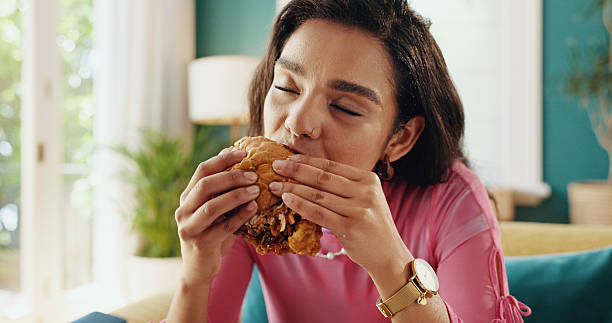

Ever wonder why a bowl of mac and cheese or a warm slice of pizza feels like a hug in your mouth? I mean, scientifically, it’s not magic—it’s chemistry, nostalgia, and probably a sprinkle of guilt all rolled together. Comfort food isn’t just about taste. It’s like your brain has a little switch labeled “feel good” and certain dishes just flip it instantly. People online are always debating this—some say it’s all about sugar, some swear it’s fat, and then there’s that group on Reddit that insists it’s pure childhood trauma healing itself bite by bite. Honestly, I think they’re all kinda right.
Food triggers memories like crazy. That smell of fresh-baked bread? Boom, suddenly you’re six again, running into your grandma’s kitchen while she yells at you to wash your hands before dinner. Chocolate? A lot of people just can’t resist it because it literally boosts serotonin. I read somewhere (probably while doomscrolling at 2 AM) that just the act of eating something you love can release the same brain chemicals as a small dose of morphine. No wonder we binge on ice cream after a crappy day.
The Science That Makes It Stick
Okay, so the nerdy part. Comfort foods usually hit the trifecta of sugar, fat, and salt. That’s basically the holy trinity of instant happiness for your taste buds. Salt makes everything taste more like itself. Sugar gives you that rush, that “yes, life is tolerable” moment. And fat? Well, fat makes your brain feel cozy. And here’s the kicker—when these three team up, your brain literally starts craving it more. It’s like Pavlov’s dogs, but instead of a bell, it’s a warm bowl of cheesy pasta calling you from the counter.
But it’s not just about chemistry. There’s biology, too. Certain foods are comforting because your body subconsciously associates them with survival. Rice, bread, potatoes—they’re carbs, energy. As humans, we’re kinda wired to reach for these when we feel low or stressed because, evolution-wise, a full stomach meant you were surviving. Weirdly, this is why during global crises, sales of chips and instant noodles spike online. People on Twitter were joking last year about stockpiling ramen like it’s gold. Honestly, same.
Childhood Memories and Emotional Attachments
It’s also nostalgia. I’ve noticed that whenever I’m stressed, I reach for the foods I grew up with, even if they’re totally basic. Like my personal kryptonite: buttered toast with cinnamon sugar. My mom would make it on Saturday mornings when we had no plans and the world felt safe. Every bite is basically a tiny time machine. I think this is why some comfort foods are surprisingly simple. It’s rarely about Michelin-level fancy; it’s about memory.
And this goes beyond just taste. Emotional attachment plays a massive role. Online, people talk about how comfort foods are like edible therapy. TikTok is full of creators saying “this is my breakup food” or “grandma’s soup saved my life.” It’s not a joke. Food can literally trigger a wave of serotonin and dopamine just by reminding you of the people or times you love. I’ve tried it myself; a simple bowl of my mom’s dal makhani makes all my Monday blues vanish for at least 20 minutes.
Cultural Influence: Why Different Folks Crave Different Stuff
Also, what counts as comfort food is wildly different depending on where you grew up. Someone in Italy might say lasagna, while a person in Japan might swear by miso soup and rice. Social media really brings this to light. Scroll through Instagram or TikTok and you’ll see endless debates about which dishes hit hardest emotionally. Some people even argue about fast food being comfort food—like the emotional joy of grabbing a greasy burger after a rough day is totally valid. And honestly, it is.
Food is identity too. Your favorite comfort dish often tells a story about where you’re from, what your family eats, or even your socio-economic background. People on forums sometimes share how they learned to cook their comfort foods out of necessity, not luxury. A pot of simple soup could mean survival, love, or both. That’s probably why it hits harder than any five-star restaurant dish.
The Dark Side: Why Comfort Foods Can Be Dangerous
Now, don’t get me wrong. Comfort food isn’t perfect. There’s a reason they call it comfort food and not “diet food.” Too much of it, especially highly processed versions, can mess with your health. But here’s the tricky thing—our brain wants what it wants. Even when you know it’s not the healthiest, you still crave it. That’s why people joke online about “diet starts Monday, eats pizza Friday” cycles. It’s science, not laziness.
The challenge, if you’re trying to be healthy, is figuring out how to balance it. Some people swap ingredients, some just eat smaller portions, and others say “screw it, I need the happiness” and go all in. Honestly, I lean toward the last one sometimes, because life’s too short to eat kale when your soul wants lasagna.
Why We Keep Coming Back for More
At the end of the day, comfort foods are more than just something we shovel into our mouths. They’re memories, emotions, science experiments on our taste buds, and even cultural symbols all rolled into one. The secret isn’t just in the recipe—it’s in the feelings attached to it. So next time you grab that tub of ice cream or that plate of cheesy pasta, remember: it’s not just food, it’s therapy, nostalgia, and a little slice of happiness wrapped up in a bite.
Honestly, I think that’s why we’ll never stop loving comfort foods. No matter how fancy our meals get or how “adult” we think we are, we all have that one dish that feels like home. And sometimes, that’s exactly what we need to survive life’s chaos—even if it’s just for twenty delicious minutes.