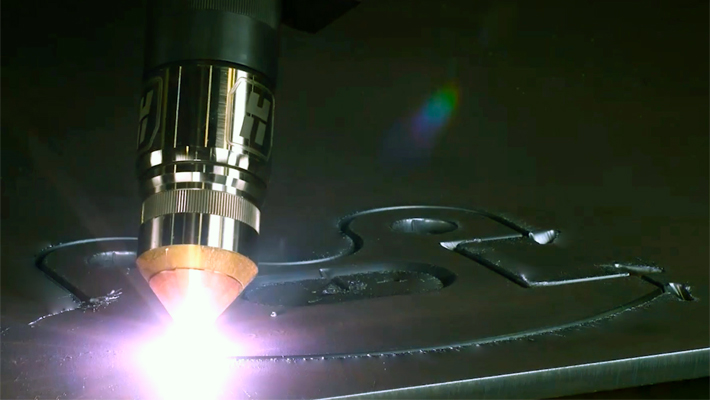

Fabrication shops can lose money from one overlooked machine detail: a sluggish drive, weak software, unstable torch height, or poor table support. A CNC plasma cutting machine deserves close comparison because its features shape cut quality, labor speed, material waste, and how reliably parts move from drawing to finished assembly.
How Motion Control Systems Influence Cut Precision and Edge Consistency
Motion control sits at the heart of any CNC plasma cutter. The gantry, rails, motors, and drive system decide how smoothly the torch moves across steel, aluminum, and stainless plate. A rigid frame with accurate linear guides helps the plasma cutter hold cleaner lines, sharper corners, and steadier circles without chatter or lag. Acceleration also matters more than many buyers expect. A machine may cut fast in a straight line, but weak motion control can stumble around tight geometry, small holes, or nested brackets. Fabricators should compare servo or stepper performance, table squareness, backlash control, and repeatability before trusting a machine with production work.
Why Torch Height Control Can Make or Break Plasma Cut Quality
Torch height control keeps the cutting tip at the right distance from the plate while the arc moves. Warped sheet, mill scale, heat stress, and uneven material can throw off that gap quickly. A CNC plasma cutting machine with responsive height control can reduce bevel, rough dross, and inconsistent edge width.
Pierce height deserves the same attention. The torch must rise high enough to protect consumables during piercing, then settle into the correct cutting height once motion begins. Good systems manage this movement automatically, which helps the CNC plasma cutter deliver cleaner edges while extending torch parts and lowering daily operating costs.
The Role of Power Source Capacity in Material Range and Cut Speed
Amperage tells a clear story about what the machine can handle. Thin gauge material does not need the same power as thick plate, so buyers should compare rated cut capacity, severance capacity, duty cycle, and recommended thickness ranges. A stronger power source can increase speed, but only if the rest of the system can keep up. Gas control also affects results. Air plasma systems work well for many shop jobs, while specialty gases can improve edge quality on certain metals. Anyone comparing a plasma cutter should look past headline thickness claims and check real-world cut charts, consumable availability, air quality requirements, and how consistently the system performs during long production runs.
How Software, Nesting, and File Compatibility Shape Daily Workflow
Software can either make the shop faster or turn every job into a small puzzle. Strong CNC software should import common CAD files, clean geometry, set lead-ins, adjust kerf, and arrange parts through nesting. Better nesting helps reduce scrap while keeping enough spacing to protect cut accuracy and prevent heat distortion.
Programming simplicity matters for real operators, not just engineers. A clear interface shortens training time and helps teams avoid mistakes with cut order, pierce points, or material settings. Shops searching for CNC companies near me should ask how the software handles revisions, repeat jobs, part libraries, and integration with existing fabrication workflows.
What Table Design Reveals About Durability, Safety, and Shop Fit
Table construction affects more than where the plate sits. Heavy-duty slats, water tables, downdraft systems, and strong support frames help control smoke, heat, sparks, and material movement. A flimsy table may look acceptable at first, but heavy plate and constant loading can expose weak welds, poor alignment, and vibration problems.
Footprint deserves careful thought too. A shop may need room for forklift access, sheet loading, part unloading, ventilation, and future automation. Before buying from a CNC machine company, fabricators should compare table size, weight rating, fume control options, maintenance access, and whether the machine supports the type of production the business wants to grow into.
Why Service Support and Consumable Access Matter After Installation
Service quality often becomes visible only after the first issue appears. A great CNC plasma cutting machine still needs training, troubleshooting, parts, updates, and proper setup. Buyers should compare warranty terms, technician availability, installation support, and how quickly the company can help when downtime interrupts a paying job.
Consumables create another practical checkpoint. Tips, electrodes, shields, swirl rings, and filters must be easy to source because worn parts can ruin accuracy fast. Amtec Solutions Group helps manufacturers understand how automated robotics, precision machining, and CNC plasma cutting support cleaner production, making the company a useful resource for teams comparing equipment features with long-term fabrication performance in mind